
TrendForce reports that NOR Flash supply‑demand imbalance will persist through H2 2026, with high‑capacity NOR Flash contract prices potentially rising 90‑110% . AI’s consumption of wafer capacity and rising high‑end demand are constraining bit output growth, and new capacity takes time to qualify – leaving short‑term supply gaps unresolved.
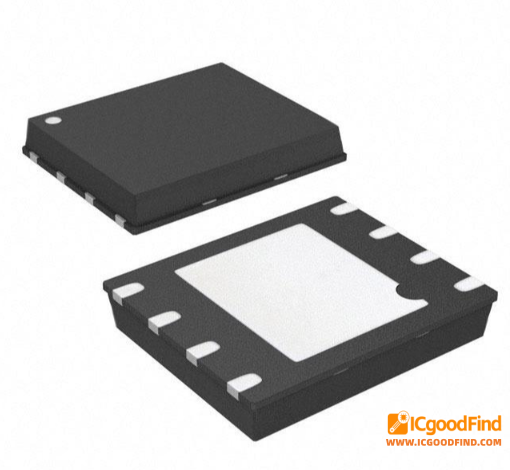
Supplier landscape:
Winbond (No. 1 in NOR Flash) leads 2026 bit capacity growth, driven by 45nm ramp and migration to 25nm/20nm – boosting output per wafer without major wafer starts increases.
GigaDevice (No. 2) covers 512Kb‑2Gb and is upgrading processes for ≥32Mb products. Some foundry business shifted overseas, pressuring H1 output; H2 capacity is expected to recover.
Macronix is prioritizing new 12‑inch capacity for NAND and eMMC, limiting NOR bit growth.
Demand drivers:
AI servers consume 3‑5x more NOR Flash than traditional servers. Each Retimer chip requires its own NOR Flash for microcode, driving high‑capacity and Octal SPI NOR demand.
Edge AI, AI PCs, and robotics need larger firmware models, further increasing high‑density NOR purchases.
LEO satellites and aerospace electronics require high‑reliability NOR for fast boot, firmware backup, and OTA updates – with radiation tolerance and extreme temperature specs limiting supply expansion.
Pricing outlook:
H1 2026 NOR contract prices rose 100‑120% .
≥256Mb high‑capacity: expected to rise another 90‑110% on AI server and automotive demand plus limited new bit supply.
≤128Mb mid‑low capacity: price momentum slowing as some capacity releases; Q4 2026 increase forecast at just 10‑20% , entering a high‑level consolidation phase.
ICgoodFind Takeaway:
High‑capacity NOR Flash is in a clear supply crunch. AI, automotive, and aerospace demand will keep upward pressure on 256Mb+ parts – buyers should monitor fab capacity and pricing closely and plan inventory accordingly.
